

Serengeti Migration Map 2025/2026: Where to Find the Herds Every Month
🧭 Introduction: Deciphering the World’s Greatest Wildlife Spectacle
Welcome to Serengeti Clarity, your definitive guide to the greatest wildlife show on Earth: the Great Wildebeest Migration. For planning purposes, our Serengeti Migration Map 2025/2026 will help you find exactly where the herds are each month. Planning a safari is thrilling, but understanding the migration—a dynamic, year-long cycle involving over two million animals—often feels like deciphering a secret code. You know you want to witness the spectacle, but the critical question remains: Where will the herds be when you are ready to go?
Stop relying on confusing diagrams and vague seasonal references. This guide provides the most up-to-date, month-by-month analysis for the Serengeti Migration Map 2025/2026. We actively track the herds’ movements, from the calving grounds in the south to the dramatic river crossings in the north. Whether you are traveling in the peak river crossing season or seeking the quiet, intense drama of the calving period, this itinerary shows you precisely which Serengeti region and camp location will maximize your chances for incredible sightings.


The Migration Map: Where to Find the Herds Every Month
Before diving into the monthly details, it helps to understand the four major phases that define the Great Migration’s circular movement, which you can see in our detailed Serengeti Migration calendar:
Section 1: The Seasonal Cycle (The Big Picture)
-
Calving Season (Dec–Mar): Herds congregate in the Southern Serengeti/Ndutu.
-
Moving North (Apr–May): Herds stream through the Western and Central Serengeti.
-
River Crossings (Jun–Oct): The action centers on the Grumeti and Mara Rivers in the North.
-
Returning South (Nov–Dec): Herds travel rapidly through the Eastern Serengeti back to the nutrient-rich plains.
Section 2: The Monthly Breakdown (Detailed Map)
| Month | Key Location | Main Activity / Best Focus |
| January/February | Ndutu Plains / Southern Serengeti | Calving Season Peak: Witness massive synchronized births and intense predator action. |
| March/April | Southern/Central Serengeti | Herds start moving north; transitional period; excellent value and fewer crowds. |
| May | Western Corridor / Grumeti River | First River Crossings: Herds gather for the Grumeti River crossing (often smaller and less dramatic than Mara). |
| June | Western Corridor & North-West | Herds push towards the North; prime viewing often begins in the Central-West. |
| July | Northern Serengeti | Herds arrive in the North; Mara River Crossing season begins. |
| August/September | Northern Serengeti / Mara River | Peak River Crossings (The ultimate spectacle). |
| October | North & North-East Serengeti | Herds start journeying South; final Mara River crossings are possible. |
| November | Eastern Serengeti / Lobo | Herds move rapidly south, chasing the short rains; high viewing density. |
| December | Ndutu / South-East Serengeti | Herds return for calving; great green scenery and low prices. |
🌊 Section 3: The Mara River Drama (July to October)
The Northern Serengeti is known as the “Crossing Season” or the “High Season,” representing the culmination of the herds’ arduous journey north. This period offers the highest potential for dramatic, action-packed wildlife viewing.
Focus: Mara River Crossings, Northern Serengeti Safari, peak season booking, Kogatende, river crossing schedule.
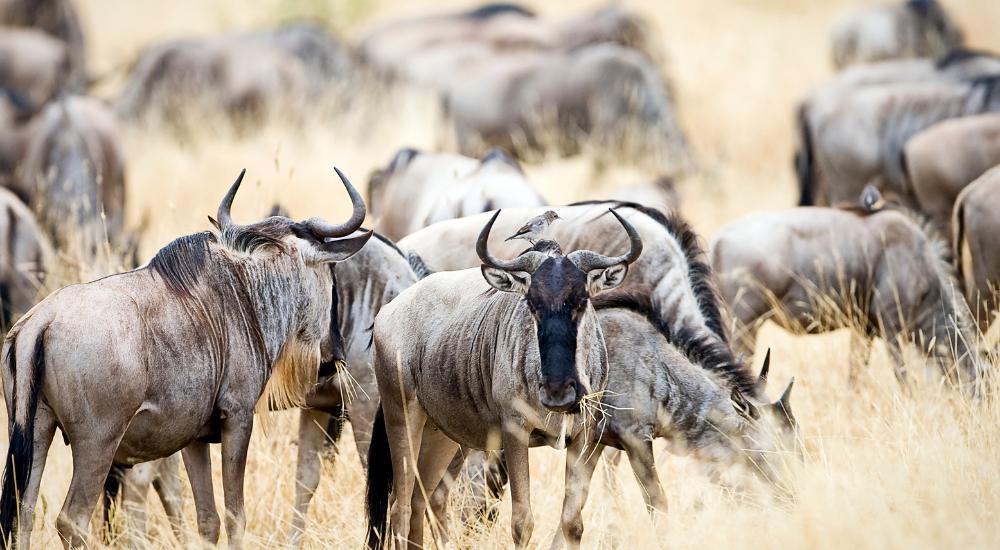
July: The Arrival and Preparation
-
Location: Northern Serengeti (specifically the area around Kogatende).
-
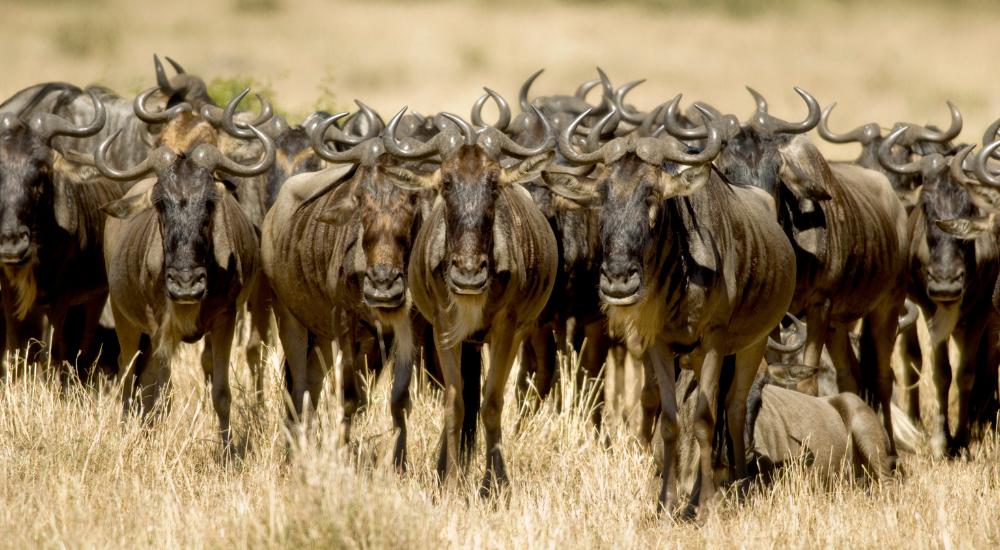
Activity: The massive columns are arriving from the Western Corridor. They are highly concentrated and start gathering near the southern banks of the Mara River.
-
Key Detail: July marks the start of the crossing season. The tension is palpable as the wildebeest begin probing the Mara River, which presents the largest, most dangerous obstacle of the entire migration.
August & September: Peak River Crossing Thrills
-
Location: The Mara River region, stretching across the Northern Serengeti (Tanzania) and into the Maasai Mara (Kenya).
-
Activity: This is the peak viewing period for the famous Mara River Crossings. The herds actively cross back and forth, sometimes multiple times in a single day, following rainfall. In fact, clients often capture truly unforgettable moments during this time—read Ms. Kwok’s spectacular 7-Day River Crossing Safari story here.
-
Key Detail: While some guides might say the herds stay mostly in the Mara in August/September, the reality is that the river is the magnet. A significant portion of the herd remains on the Tanzanian side (Northern Serengeti) throughout these months, offering excellent viewing without the crowds often found across the border.
October: The Final Drama and Southern Turn
-
Location: North and North-East Serengeti (near Kogatende and increasingly toward the Lobo area).
-
Activity: The herds start making their final push back south, often making one last set of Mara River crossings as they seek the first drops of the short rains (which initiate the southern journey).
-
Key Detail: This month often sees the herds migrating quickly over long distances as they search for the nutritious grasses in the Eastern and Central regions, marking the beginning of the journey back towards the Calving Grounds. Ultimately, these months deliver intense predator-prey interactions and dramatic sightings throughout the Northern Circuit, as documented in this amazing 14-Day Adventure story.
Section 4: Booking Strategy & Camps
When selecting your camp, the migration dictates the camp type. First, you should understand the full scope of Tanzania’s offerings by checking out the top attractions available outside of the migration. Next, tailor your accommodation strategy to the herd’s location.
-
Mobile Camps: These remain essential for the most critical viewing periods (July–October and December–March) as they move with the herds.
-
Fixed Lodges: These are often better for the Central region (Seronera) during the April–June transition when the herds are more dispersed.
If you are planning an extensive trip, consider our Northern Circuit 11-Day package which guarantees coverage of these dynamic regions.
🛑 Critical Booking Warning for Peak Season
The Northern Serengeti from July to October is considered the safari peak season globally. This concentration of demand for the relatively few camps located close to the Mara River means:
-
Bookings Are Essential: Mobile and permanent camps near Kogatende (Northern Serengeti) often sell out 9 to 12 months in advance. If your readers plan to travel during this time, they must book immediately.
-
Higher Rates: Accommodation and safari packages will be at their highest rates of the year, reflecting the unparalleled viewing opportunity.
-
Fly-In Safari Recommended: Due to the long drive times to the remote Northern Serengeti, a fly-in safari to Kogatende airstrip is highly recommended to maximize your time watching the crossings instead of driving.