
Why December & January is Tanzania’s Best-Kept Safari Secret: Calving Season, Green Scenery & Low Prices
🌟 The ‘Secret Season’ Unveiled (Introduction)
For years, the safari world has championed the dry season (June to October) as the definitive time to visit Tanzania. While those months offer incredible game viewing, we are here to let you in on Tanzania’s best-kept safari secret: the transformative months of December and January. If you are currently planning your dream trip for late this year or early next, then stop waiting for the traditional high season. Instead, seize the exceptional value and unique wildlife spectacles that the Green Season delivers. Discover more about the Tanzania Safari: Calving Season, Low Prices (Dec/Jan Guide) to make the most of your visit.
This period is not merely an “off-season”; it is an active, vibrant, and incredibly rewarding time to explore the Serengeti and the surrounding parks.
You are likely searching for the best time to visit Tanzania, and this post will show you why scheduling your safari now unlocks three pivotal benefits that the crowds miss. By choosing December or January, you actively transform your safari experience into something truly unforgettable, saving money while witnessing unparalleled natural drama.
Here is exactly what makes the Tanzania Green Season a spectacular choice for the savvy traveler:
The Big Three Benefits of December & January
-
The Wildebeest Calving Spectacle
-
Lush, Green, Photographer-Friendly Landscapes
-
Lower Prices and Fewer Crowds
🦁 Part 1: The Calving Season Spectacle — Tanzania’s Ultimate Wildlife Draw
Forget the long trek north; during December, January, February, and March, the Great Wildebeest Migration settles into its nursery. This is arguably the most biologically significant time of year. You need to be in one specific area to witness it: the Southern Serengeti Plains and, crucially, the Ndutu region.
The Ndutu area provides the nutrient-rich short grass plains that the animals need. These plains are vital because the grass is packed with essential minerals that support lactation for the new mothers.
-
Peak Calving Time: While the herds start arriving in December, the most intense period of births typically runs from late January through February. Over 8,000 wildebeest calves are born every single day!
-
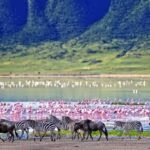
A Moving Nursery: The sight is unforgettable: hundreds of thousands of wildebeest, zebra, and accompanying gazelles blanket the plains.
The Thrill of Predator Action: Cheetahs, Lions, and Hyenas
If your goal is to see dramatic safari action, the Tanzania Calving Season is your best bet. The abundance of vulnerable newborns leads to highly concentrated, spectacular predator action:
-
Cheetahs: The flat, open plains of Ndutu are perfect hunting grounds for cheetahs, who are often seen teaching their cubs how to hunt.
-
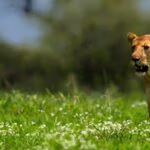
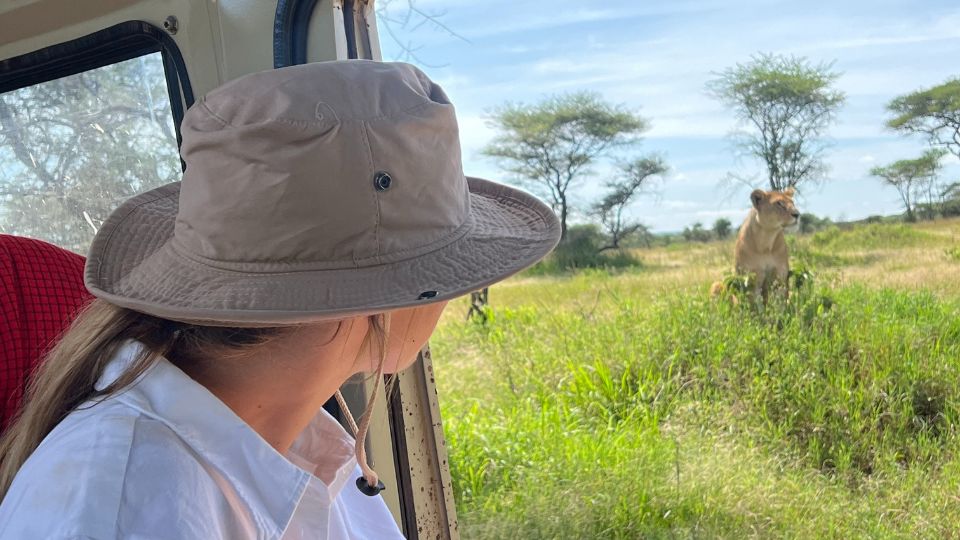
Lions: Lion prides in the Ndutu area swell during this time, providing frequent sightings of large pride dynamics.
Why Ndutu is Crucial for Calving Season Safari
The Ndutu Plains area is the strategic center of the calving season. Since much of the land is within the Ngorongoro Conservation Area (NCA), some unique regulations apply that benefit your safari:
-
Off-Road Driving: Some areas of the NCA around Ndutu permit carefully managed off-road driving. This is a huge advantage for getting closer to sightings.
-
Semi-Permanent Camps: Many top-tier Wildebeest Migration camps settle in this region from December to March, guaranteeing you stay right in the thick of the action.
🌿 Part 2: Lush Landscapes & Photographer’s Dream
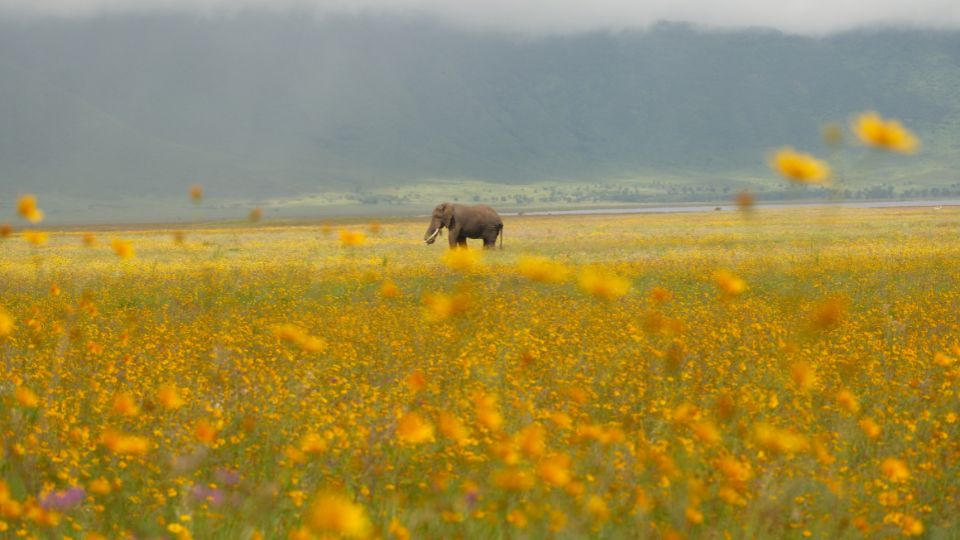
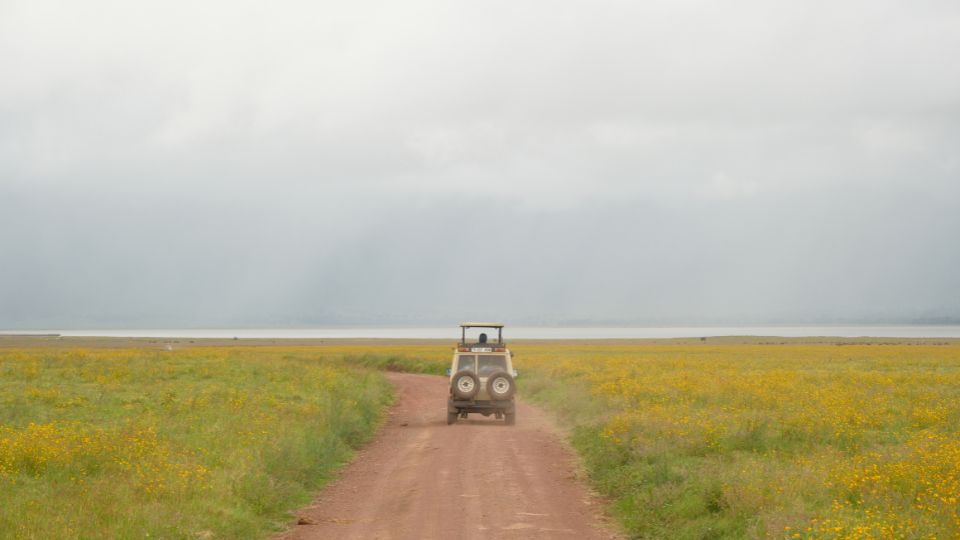
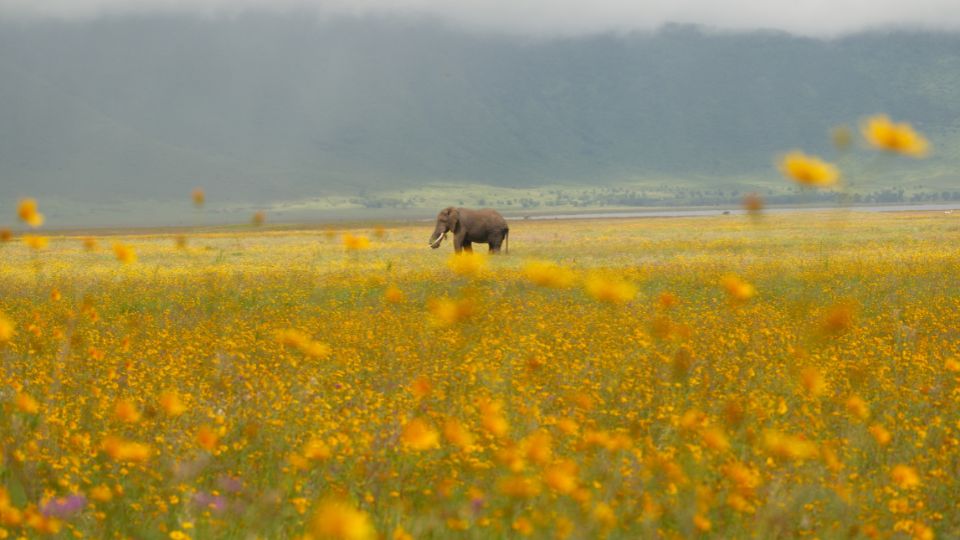
The Tanzania Green Season actively transforms the dusty, dry plains into a vibrant, emerald paradise. This shift offers significant advantages for visitors.
-
Vibrant Color Palette: The dust is minimal, the air is clean, and the landscapes are intensely green, providing a stunning contrast to the coats of the wildlife.
-
Dramatic Skies: Afternoon storms often create enormous, towering clouds and shafts of sunlight, resulting in incredibly dramatic and colorful sunset and sunrise photographs.
-
Birdwatcher’s Paradise: If you are a birding enthusiast, this is the best time to visit Serengeti. You will witness the influx of colorful migratory birds, joining the resident species. For more details on seasonal wildlife, check our comprehensive guide: Best Time to Visit Tanzania: A Complete Guide.
💰 Part 3: Logistics & Value for the Traveler (Addressing Practical Concerns)
The Irresistible Value Proposition: Save Big
Choosing December or January actively saves you money without sacrificing the safari experience.
-
Lodge Pricing: You often access mid-season or low-season rates, particularly outside of the busy Christmas/New Year week (Dec 22 – Jan 5). You can save 20% to 40% on accommodation compared to the peak dry season (July-August).
-
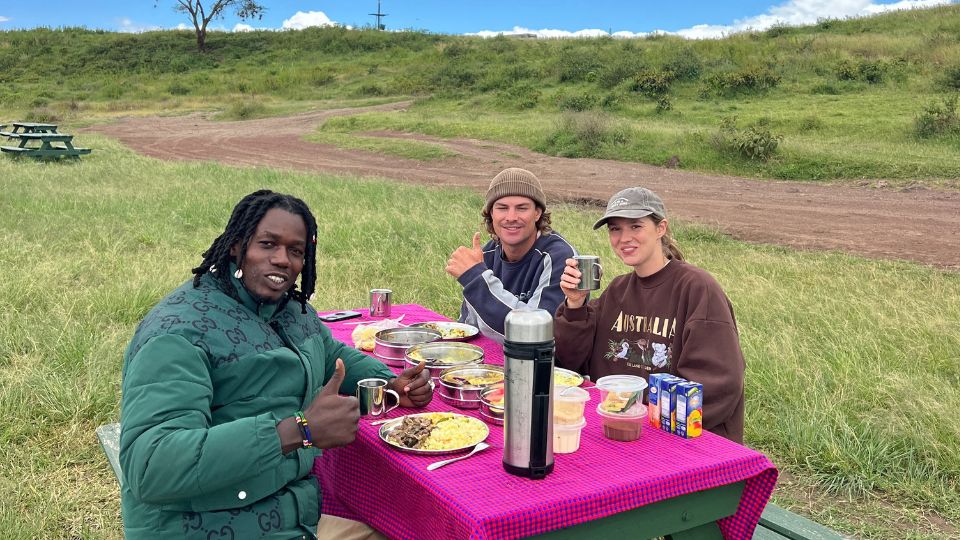
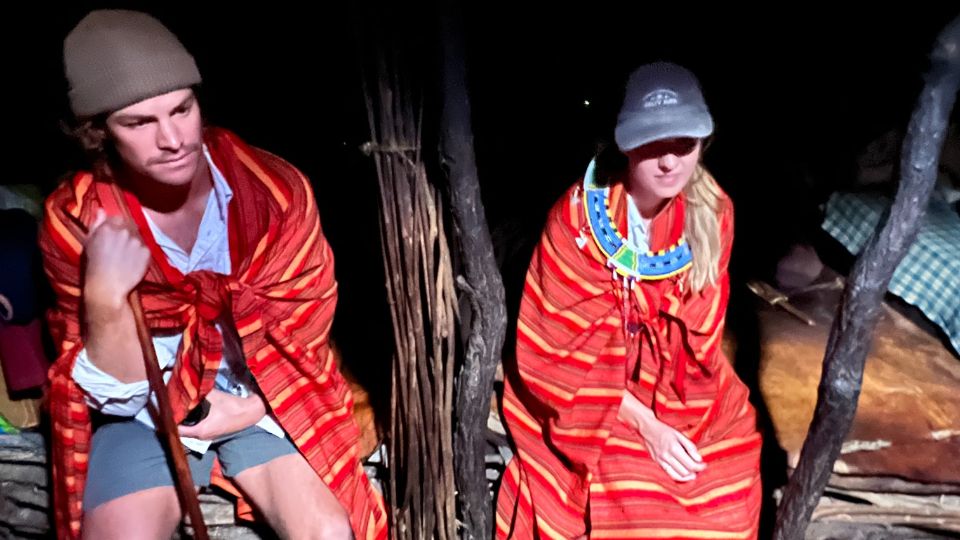
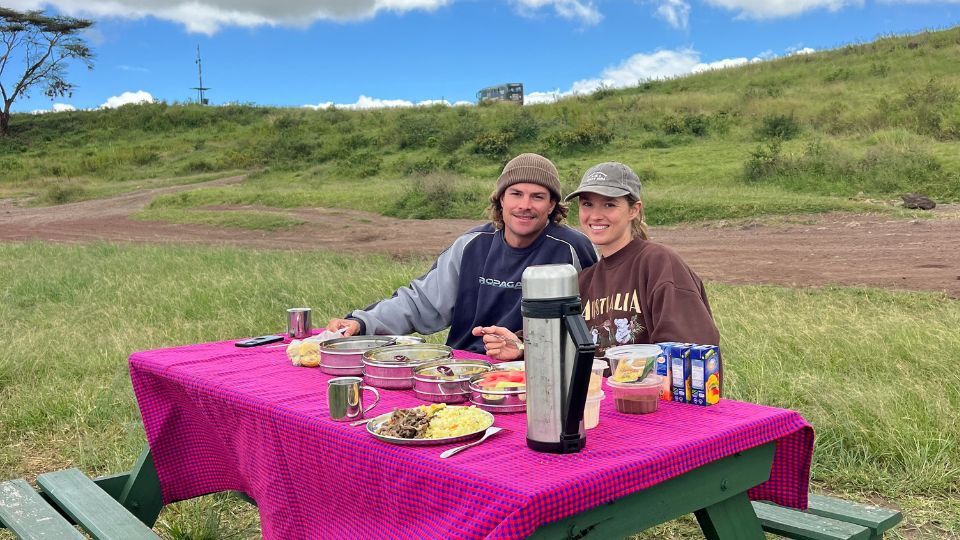
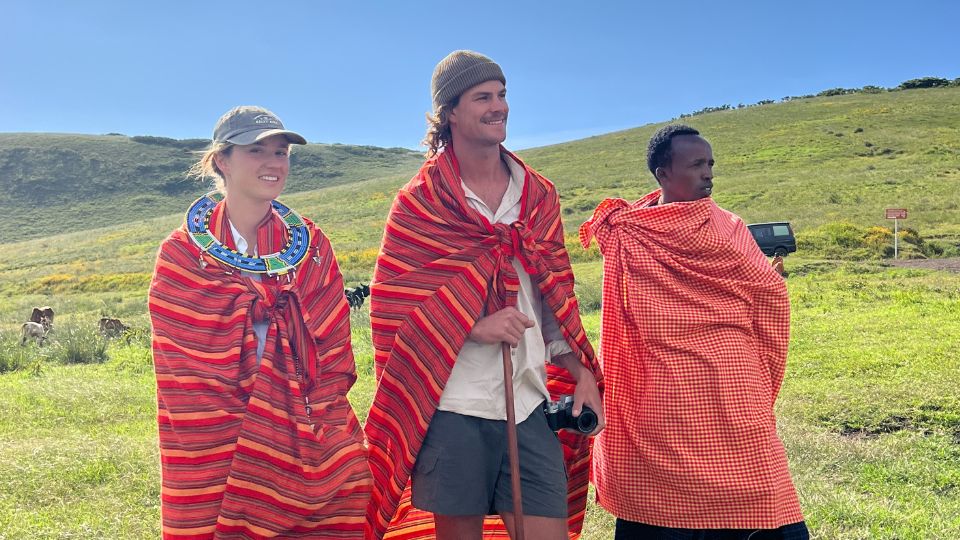
Availability: Booking is much easier. You secure spots at exclusive, smaller camps that are often fully booked a year in advance, offering a quieter, more personal safari experience (see Jade’s Green Season Adventure story).

Weather Reality: Don’t Fear the Green Season Rain
Many people worry that rain will ruin their trip, but the Tanzania December weather is usually misunderstood.
-
The Schedule: Expect clear, sunny mornings and days. The rains typically arrive as heavy, dramatic showers in the late afternoon or evening. These storms are spectacular—they rarely interrupt a full day’s game drive.
-
The Benefit: The air is crisp, visibility is excellent, and the clouds often create dramatic, colorful skies at sunset. For a deeper dive into timing your trip, consult our Complete Guide on the Best Time for a Tanzania Safari.
🏕️ Part 4: Where to Stay: Your Home Base for the Calving Season
To actively witness the Wildebeest Calving Season, you must choose accommodation in the Ndutu region or the Southern Serengeti Plains.
| Camp Type | Example Camps | Value Proposition |
| Mobile Tented Camps | Lemala Ndutu Tented Camp, Nyikani Migration Camp – Ndutu | Most immersive. Positioned closest to the herds for maximum action. |
| Permanent Lodges | Ndutu Safari Lodge, Lake Masek Tented Lodge | Stable, comfortable bases with excellent amenities and historical, strategic locations. |
A Note on Pricing and Value: A full 6-day Ndutu Calving Season Safari can start from approximately $2,100 – $3,500 per person (depending on group size and luxury level), which is a significant saving over the peak dry season.
Crucial Booking Tip: Target the first half of December or late January/February for the absolute best value.
🗺️ Part 5: Top December/January Itinerary Recommendation
This itinerary is specifically designed to maximize your time during the Green Season.
| Day(s) | Location | Focus and Key Experience |
| Day 2-3 | Tarangire National Park | See massive herds of elephants. The park is lush and vibrant in the Green Season. |
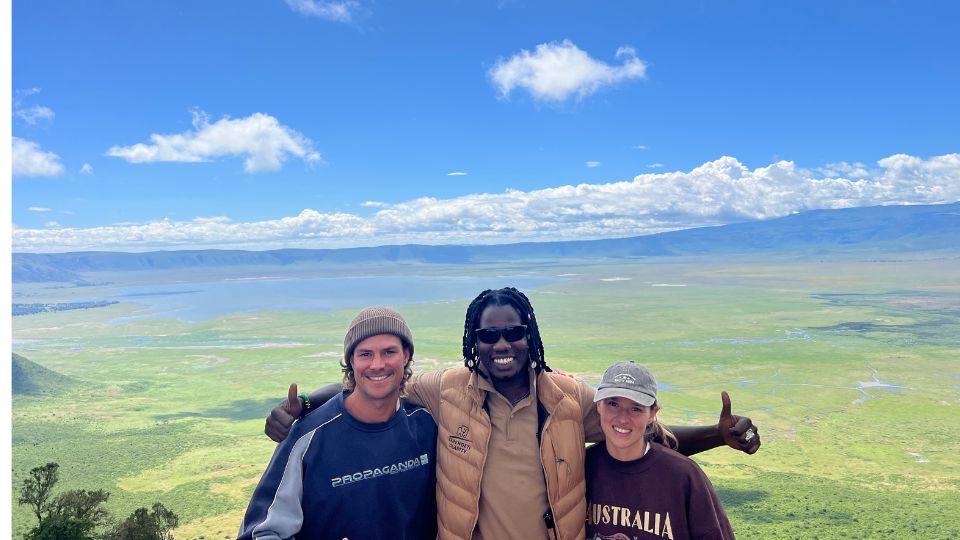
| Day 4 | Ngorongoro Crater | The Perpetual Wonder. Enjoy spectacular wildlife viewing with incredibly green crater walls. |
| Day 5-7 | Southern Serengeti/Ndutu | The Epicenter of Action: Witness the Serengeti Calving Season. Spend three days for the highest chance of seeing births and intense predator-prey interactions. |
| Day 8 | Departure | Fly from Ndutu Airstrip to Arusha, then connect home. |
Optional Extension: Combine Bush and Beach
Since the weather on the coast is typically beautiful and warm in December and January, you can easily combine your safari with a relaxing beach break:
-
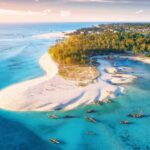
Zanzibar: Take a short flight from Arusha to the Spice Island for world-class beaches, snorkeling, and historical Stone Town. This is the perfect end to a thrilling safari.
🎒 Part 6: Packing for the Green Season — Rain-Ready and Predator-Proof
When you pack for your Tanzania safari in December or January, you must think in layers and protection. Always choose neutral, earth-toned colors and avoid dark blue or black, which can attract tsetse flies.
The Clothing Essentials (Think Layers and Neutrals)
| Item | Qty (for 5-7 days) | Green Season Rationale |
| Lightweight Long-Sleeve Shirts | 3-4 | Protect skin from sun, and are vital for mosquito protection in the evenings. |
| Convertible Trousers/Pants | 2-3 | Zip-off legs are perfect for cool mornings and hot afternoons. |
| Lightweight Waterproof Jacket | 1 | Crucial for sudden, heavy afternoon showers. Choose quick-drying material. |
| Sturdy Closed-Toe Shoes | 1 Pair | Protect your feet from mud, insects, and rough ground. |
Health & Safety Gear
-
High-Concentration Insect Repellent: Choose one with DEET or Picaridin. Mosquito activity is higher during the wet season, especially at dusk.
-
High-SPF Sunscreen (SPF 30+): The African sun is always strong.
-
Malaria Prophylactics: Follow your doctor’s recommendations strictly.
The Photographer’s Kit (Electronics)
-
Camera with Zoom Lens: A minimum of 200mm is recommended for capturing the Calving Season action.
-
Waterproof Bag or Cover: Use a dry bag or thick plastic zip-lock bags to actively protect your camera equipment from dust and unexpected rain.
Pro-Tip: Soft Luggage is Mandatory!
Most small charter flights in Tanzania require that you use a soft-sided duffel bag or backpack for your main luggage.
🏕️ Where to Stay: Your Home Base for the Calving Season
To actively witness the Wildebeest Calving Season, you must choose a camp or lodge located either in the Ndutu region (Ngorongoro Conservation Area side) or the Southern Serengeti Plains. This is where the short-grass plains offer the most nutritious food, drawing the enormous herds to calve.2
Keyphrase Focus: Ndutu Safari Camps, Ndutu Safari Lodge prices, mobile tented camp Serengeti, Ndutu accommodation.
The accommodation options here typically fall into two categories: Permanent Lodges (great value, stable) and Mobile Tented Camps (ultimate immersion, follow the herds).
1. Authentic & Immersive: Mobile Tented Camps
These camps are luxurious and move twice a year to position you directly in the migration’s path.3 They offer the most intense experience of being in the wild, often with enhanced comfort.4
-
Example Camps (Luxury to Mid-Range):
-
Lemala Ndutu Tented Camp
-
Nyikani Migration Camp – Ndutu5
-
Ndutu Wilderness Camp (Seasonal: Dec-Mar)6
-
Gnu Ndutu Camp
-
-
Value Proposition: These camps are located closest to the action and sometimes offer amenities like complimentary laundry and dedicated photography setups. Their rates are often packaged with game drives and meals, providing great value for an all-inclusive stay.
2. Timeless Charm: Permanent Lodges
These fixed lodges offer a stable, comfortable base with more amenities, and are a favorite for expert guides due to their history and location.
-
The Icon: Ndutu Safari Lodge
-
This is one of the oldest and most respected properties in the area, known for its rustic charm, friendly atmosphere, and strategic location overlooking Lake Ndutu. It consistently offers the best value for a fixed-location safari.
-
-
Luxury Lodge Options: Lake Ndutu Luxury Tented Lodge and Lake Masek Tented Lodge.7
A Note on Pricing and Value (The True Secret)
The Tanzania Green Season delivers on the promise of lower prices, especially compared to the peak July-August season.
-
Mid-Range Value: For a well-managed Ndutu safari, you can expect prices to start in the range of $500 to $750 per person per night sharing, focusing on mid-range tented camps and lodges.
-
Incredible Savings: As confirmed by tour operators, a full 6-day Ndutu Calving Season Safari can start from approximately $2,100 – $3,500 per person (depending on group size and luxury level), which is a significant saving over the peak dry season, allowing you to actively stretch your budget for a longer trip or an upgrade.
Crucial Booking Tip: The week surrounding Christmas and New Year’s is always considered “Peak Season,” even in the Green Season. If you seek the absolute best value, target the first half of December or late January/February for your travel dates.
Ready to uncover the Green Season for yourself? If you have questions about planning your specific December or January itinerary, feel free to Contact Us for personalized advice!