


How to Experience the Great Migration Without the Crowds
Introduction
The Great Migration is one of the most extraordinary natural spectacles on Earth, where millions of wildebeest, zebras, and other animals traverse the savannas of East Africa in search of greener pastures. This awe-inspiring event, often described as nature’s own version of a massive highway, attracts countless travelers eager to witness its grandeur. However, with the increased popularity of the migration, many areas become overcrowded, diminishing the experience for visitors. This article is designed to guide travelers on how to enjoy the Great Migration while avoiding the throngs of tourists, ensuring a more intimate connection with nature.
Understanding the Great Migration
What is the Great Migration?
The Great Migration is an annual event that occurs mainly in Tanzania and Kenya, characterized by the movement of around 1.5 million wildebeest and hundreds of thousands of zebras and gazelles. This migration is driven by the search for food and water, as the animals follow the rains across vast expanses of grassland. It is a cycle that has been integral to the ecosystem for centuries, shaping both the landscape and the variety of wildlife found in these regions.
The migration typically begins in the southern Serengeti during the calving season in January to March, when wildebeest give birth to their young. As the herds grow stronger, they begin their trek toward the northern Serengeti and into Kenya’s Masai Mara, where they often encounter the perilous Mara River. Here, they must navigate not just the currents but also the lurking crocodiles that await their arrival, adding a dramatic element to this natural phenomenon.
Key Species Involved in the Migration
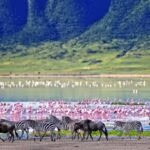
While the wildebeest are the stars of the Great Migration, several other species play a vital role in this event. Zebras, with their distinct stripes and social nature, accompany the wildebeest on their journey. Their ability to digest tougher grasses makes them ideal companions, as they can help clear areas for the wildebeest, allowing both species to benefit from the available resources. Additionally, various gazelle species, such as the Thomson’s gazelle, join the migration, contributing to the diversity of life on the move.
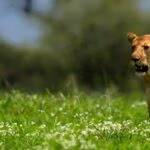
Predators also follow the migration, including lions, hyenas, and cheetahs, capitalizing on the numerous opportunities presented by the vulnerable young and the weary travelers. This predator-prey dynamic is integral to the ecological balance in the region, demonstrating the interconnectedness of the species involved in this incredible journey.
The Migration Route and Its Significance
The migration route is not just a path; it is a critical lifeline for the migrating herds. The journey spans approximately 1,800 miles and includes specific routes that link vital grazing areas and water sources. The topography of the land, influenced by seasonal rains, dictates these routes, making them pivotal to the survival of the animals involved.
Understanding this migration route is essential for conservation efforts and tourism management. It allows for better planning among tour operators and helps in minimizing the environmental impact of tourism on this delicate ecosystem. By respecting the migration patterns, travelers can contribute to the conservation of this extraordinary spectacle.
Why Avoiding the Crowds Matters
The Benefits of Solitude in Nature
Witnessing the Great Migration is undoubtedly a magnificent experience, but being part of a large crowd can detract from the magic of the moment. Engaging with nature in a quieter setting allows for deeper reflection and appreciation of the wildlife and the surrounding environment. When surrounded by fewer visitors, travelers often find themselves more attuned to the sounds and sights of nature, enhancing their overall experience.
Additionally, solitude in nature can lead to a more immersive experience. Without the distractions of large groups, one can observe animal behaviors and interactions more closely, leading to a greater understanding and respect for the natural world. This intimate experience fosters a connection to the environment, inspiring a commitment to its preservation.
Environmental Impact of Overcrowding
Overcrowding in popular migration viewing areas poses significant threats to wildlife and their habitats. The increased foot traffic can lead to soil degradation, disruption of animal behavior, and stress for the wildlife. Animals may be forced to alter their natural behaviors, impacting their ability to feed and reproduce. Such alterations can have long-term consequences for the delicate balance of the ecosystem.
Furthermore, overcrowded environments can lead to increased waste and pollution, harming the very landscapes that attract visitors. Sustainable tourism practices are essential for preserving the beauty and integrity of the migration experience, ensuring that future generations can also enjoy witnessing this natural wonder.
How to Experience the Great Migration Without the Crowds
Timing Your Visit
One of the most effective ways to avoid crowds during the Great Migration is by carefully timing your visit. The main migration occurs between July and October, coinciding with the wildebeest’s crossing of the Mara River. However, arriving just before or after this peak period can provide opportunities to witness the migration without the associated crowds. For instance, visiting in late June or early November can allow for exceptional wildlife viewing while avoiding the busiest tourist influx.
Travelers should also be aware of seasonal variations in animal behavior. For example, during the calving season from January to March, the southern Serengeti is teeming with newborns and fewer tourists. This time can offer a unique perspective on the migration’s lifecycle without the bustling crowds of peak migration months.
Choosing Off-the-Beaten-Path Locations
While many tourists flock to popular national parks and viewing points, there are numerous lesser-known locations that can provide breathtaking views of the migration. Areas like the remote corners of the Serengeti or lesser-visited parks like Ruaha and Selous can offer an alternative experience that allows for greater solitude and intimate wildlife encounters.
Exploring these hidden gems often requires a bit more planning and flexibility, but the reward is a uniquely serene experience. Travelers are more likely to witness animal behaviors and interactions without the interference of large groups, making their experience all the more special and memorable.
Utilizing Local Guides for Unique Experiences
Engaging with local guides can enhance the experience of the Great Migration considerably. Local guides possess intimate knowledge of the land and the animals, offering insights and perspectives that general guides may overlook. They can lead travelers to less crowded viewing spots and share their understanding of the behaviors and habits of the animals, enriching the wildlife experience.
<pMoreover, many local guides are passionate about conservation and can educate travelers about the importance of protecting the ecosystems they are visiting. By hiring local guides, travelers can not only support the community economically but also contribute to conserving the natural beauty that attracts them in the first place.
Engaging in Alternative Activities
To further avoid crowds and enhance the migration experience, travelers can participate in alternative activities that complement traditional wildlife viewing. For instance, hot air balloon rides offer a breathtaking aerial view of the migration while allowing travelers to experience the landscape from a unique vantage point without being confined to the ground-based observation points crowded with tourists.
<pAdditionally, engaging with local communities through cultural experiences can provide enriching insights into the region’s rich heritage. Visiting Maasai villages or participating in traditional ceremonies can offer a deeper connection to the area and its people while diversifying the travel experience beyond mere wildlife observation.
Essential Preparations for Your Journey
What to Pack for the Great Migration
<pAdditionally, packing insect repellent and sunscreen is important to protect against the harsh sun and bugs that can be prevalent in the African savanna. A good pair of sunglasses, a hat for sun protection, and a refillable water bottle are also recommended to keep hydrated while exploring the wilderness.
Health and Safety Tips
Understanding Local Regulations and Conservation Efforts
Capturing the Experience
Photography Tips for Wildlife Watching
Writing and Sharing Your Journey
<pMoreover, sharing photos and stories on social media platforms can inspire others to explore the migration while promoting awareness of its significance and the need for conservation. Engaging with fellow travelers and wildlife enthusiasts online can foster a community dedicated to appreciating and protecting the natural wonders of our planet.
Conclusion
Additional Resources
Recommended Readings
- The Great Migration: An Ecological Mystery – Author’s Name
- Living with the Migration: The Maasai and the Wildebeest – Author’s Name
- Wildlife Conservation in East Africa – Author’s Name
Links to Conservation Organizations
Travel Planning Websites